The Good, The Bad, The Reheated: Cooking and Handling Leftovers
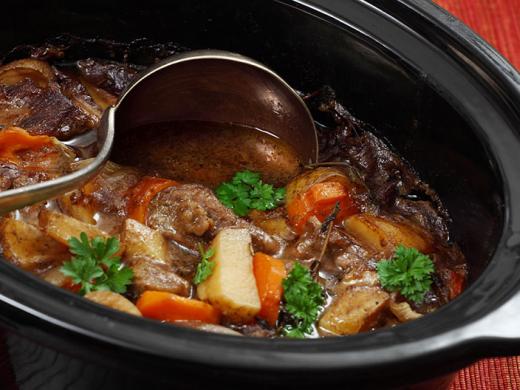
Holiday dinners are a time to enjoy friends, family and good food. And while leftovers can make quick and tasty meals, it’s important to remember to refrigerate them promptly and reheat properly. You can help keep your family safe from food poisoning at home by following these guidelines from the USDA.
Promptly refrigerate or freeze perishable leftovers
Did you know that illness-causing bacteria can grow in perishable foods within two hours unless you refrigerate them? (And if the temperature is 90 ˚F or higher, cut that time down to one hour.) Bacteria spread fastest at temperatures between 40 °F and 140 °F, so chilling food safely reduces the risk of foodborne illness.
Know when to throw food out
You can’t tell just by looking or smelling whether harmful bacteria has started growing in your leftovers or refrigerated foods. Here are a few steps you can take to store and reheat your leftovers safely:
- Place leftovers in shallow containers. Refrigerate (40 °F or below) or freeze the cooked poultry and stuffing within two hours after cooking.
- Use refrigerated leftovers within three to four days; frozen food within four months.
- Find out how long to store leftovers by checking out this Safe Storage Times chart.
Reheat leftovers thoroughly
When reheating leftovers, be sure they reach 165° F. Always use a food thermometer to check the internal temperature of the food.
- Reheat sauces, soups and gravies by bringing them to a rolling boil.
- Cover leftovers to reheat. This retains moisture and ensures that food will heat all the way through.
- Thaw frozen leftovers safely in the refrigerator or the microwave oven. When thawing leftovers in a microwave, continue to heat it until it reaches 165 °F as measured with a food thermometer.
- In a real hurry? It is safe to reheat frozen leftovers without thawing, either in a saucepan or microwave (in the case of a soup or stew) or in the oven or microwave (for example, casseroles and combination meals). Reheating will take longer than if the food is thawed first, but it is safe to do when time is short.
Foodsafety.gov wishes you and your family a safe and happy holiday season. For more information on Holiday Food Safety, view Holiday General Information.
If you have any other questions about leftovers or food safety in general contact us at the Hotline (1-888-674-6854 toll-free) or online at AskKaren.gov (PregunteleaKaren.gov for questions in Spanish)
Thanksgiving Holiday Help: Plan Ahead
Let’s face it, in November, a turkey will most likely find its way onto your menu. Planning ahead can help ensure that your special meal is successful, safe, and stress-free. If you have questions, the USDA’s Meat and Poultry Hotline offers planning tips and shares their top turkey questions and answers.
Plan Ahead
- Make a guest list: Decide how many people will be eating, plan your menu, and gather your recipes.
- Clear the fridge: Start using foods that are taking up space in your refrigerator and freezer to make sure you have plenty of room for your turkey, ham, or roast and other dishes.
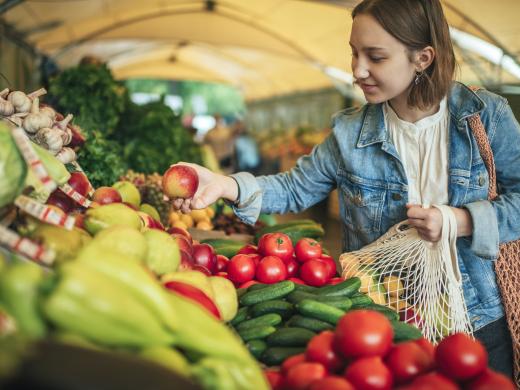
- Start shopping: Check your pantry to see what you already have and make a shopping list of needed ingredients. Shopping early for pantry items will reduce stress later.
- Get the thermometers ready: Buy a food thermometer if you don't already have one. A cooked whole turkey is safe at a minimum internal temperature of 165 °F throughout the bird and stuffing. If you're thawing the turkey in the refrigerator, we also recommend using a refrigerator thermometer to make sure the temperature is 40 °F or lower.
Read our Top Turkey Questions
(Answered by the USDA Meat and Poultry Hotline)
- I have a turkey in the freezer from last year. Can I still use it?
Yes, go ahead and use it! Food poisoning bacteria cannot grow in the freezer, so your frozen turkey will be safe to eat. A turkey will keep its top quality a full year in the freezer. - What size turkey should I buy?
Estimate one pound of turkey for each person. That’s enough for ample portions and leftovers. If you’re having a large party, don’t worry: larger turkeys (over 16 pounds) have more meat per pound. A larger turkey will feed two people per pound. - How far in advance can I buy a fresh turkey?
If you want to buy a fresh turkey, wait until the Tuesday before Thanksgiving. Some grocery stores will let you reserve a fresh turkey. - How long does it take to thaw a frozen turkey?
The safest way to thaw a turkey is to put it in the refrigerator at a safe temperature (40 °F) during thawing. Allow one day for each five lbs. of weight to thaw the turkey. A 20- pound turkey will take about four days to thaw. After it has thawed, it is safe for another two days.
If you have more questions, visit Let's Talk Turkey to learn how to safely plan, select, thaw, and prepare a turkey or check out these turkey resources at FoodSafety.gov.
If you have additional questions about cooking a turkey call, the USDA Meat and Poultry Hotline at 1-888-MPHotline (1-888-674-6854) or chat live with a food safety specialist at AskKaren.gov available from 10:00 a.m. to 4:00 p.m. Eastern Time, Monday through Friday, English or Spanish.
If you need help on Thanksgiving Day, the USDA Meat and Poultry Hotline will be open from 10:00 a.m. to 2:00 p.m. Eastern Time. You can also ask questions of “Karen,” FSIS’ virtual representative, 24/7 at AskKaren.gov available in English or Spanish. PregunteleaKaren.gov for questions in Spanish)
Comments?
Please continue the discussion on our FoodSafety.gov Facebook page.
Keeping Infant Formula Safe
If you've made the decision to feed your baby using infant formula, it’s important to know the facts. All manufacturers of infant formula sold in the U.S. must register with FDA which sets standards to ensure the nutritional quality and safety of infant formula. Formula -- whether powder, liquid concentrate, or ready-to-feed -- can become contaminated during preparation and handling. So following safe food handling practices is vital to keeping your baby safe:
Safe Preparation
- Handwashing is the first step — don’t spread bacteria on your hands to your baby. Wash your hands often with warm water and soap for at least 20 seconds, especially before and after preparing formula.
- Prepare formula in a clean area to prevent cross-contamination when bacteria are spread from one food product to another.
- Sterilize bottles in boiling water before first use — after that they can be safely washed and dried in a dishwasher.
- Don’t sterilize nipples in boiling water or wash them in a dishwasher. Heat breaks down the latex in nipples, so wash them by hand with hot soapy water, rinse thoroughly, and air dry.
- It's usually safe to mix formula using cold tap water that's been boiled for one minute and cooled to body temperature just before feeding. Water that is not cooled can cause serious burns. Keep the water covered while cooling to prevent contamination with bacteria.
- If you use bottled water for formula preparation, remember that most bottled water is not sterile so follow the same boiling and cooling procedure.
- Use the exact amount of formula and water as directed on the label, mix only enough for one feeding, and prepare it immediately before feeding. Follow label instructions carefully. If a lot of formula is prepared and not properly refrigerated, bacteria can multiply to very large numbers. The more bacteria there are, the greater the chance for foodborne illness. Preparing formula in smaller quantities on an as-needed basis greatly reduces the possibility of contamination.
Safe Use
- Don't leave formula out at room temperature for more than two hours. Discard formula that's been left out longer.
- If you need to warm formula, the best way is to put the bottle in a small pan of water and heat it on the stove until body temperature. Shake the bottle before feeding. Never use microwave ovens because microwaving can heat the formula unevenly and cause hot spots to develop, even though the bottle and the rest of the formula remain cool.
- Don’t feed infant formula after the "Use By" date on the label. Manufacturers guarantee the nutrient content and the quality of the formula only up to the use by date. If you buy formula by the case, make sure the lot numbers and use by dates on the containers and boxes match.
- Follow the storage instructions on the container.
- Don't save unfinished formula. Bacteria from a baby's mouth can be introduced into the bottle during feeding and they can grow even if leftover formula is refrigerated.
- Freezing is not recommended because it may cause the formula’s components to separate.
Homemade and Counterfeit Formula
- FDA does not regulate recipes for homemade formula and does not recommend making formula at home. Errors in selecting and combining ingredients for homemade formula can have serious consequences for the health of infants.
- Counterfeit Formula products are sometimes diverted from normal distribution channels and relabeled to misrepresent quality or identity--altering the "Use By" date for example, or relabeling to disguise the true content. Always purchase infant formula from a licensed, reputable retailer.
For more information on infant formula please see Once Baby Arrives and/or FDA 101: Infant Formula.
Comments? Please continue the discussion on our FoodSafety.gov Facebook page.